
Modern Buddhism
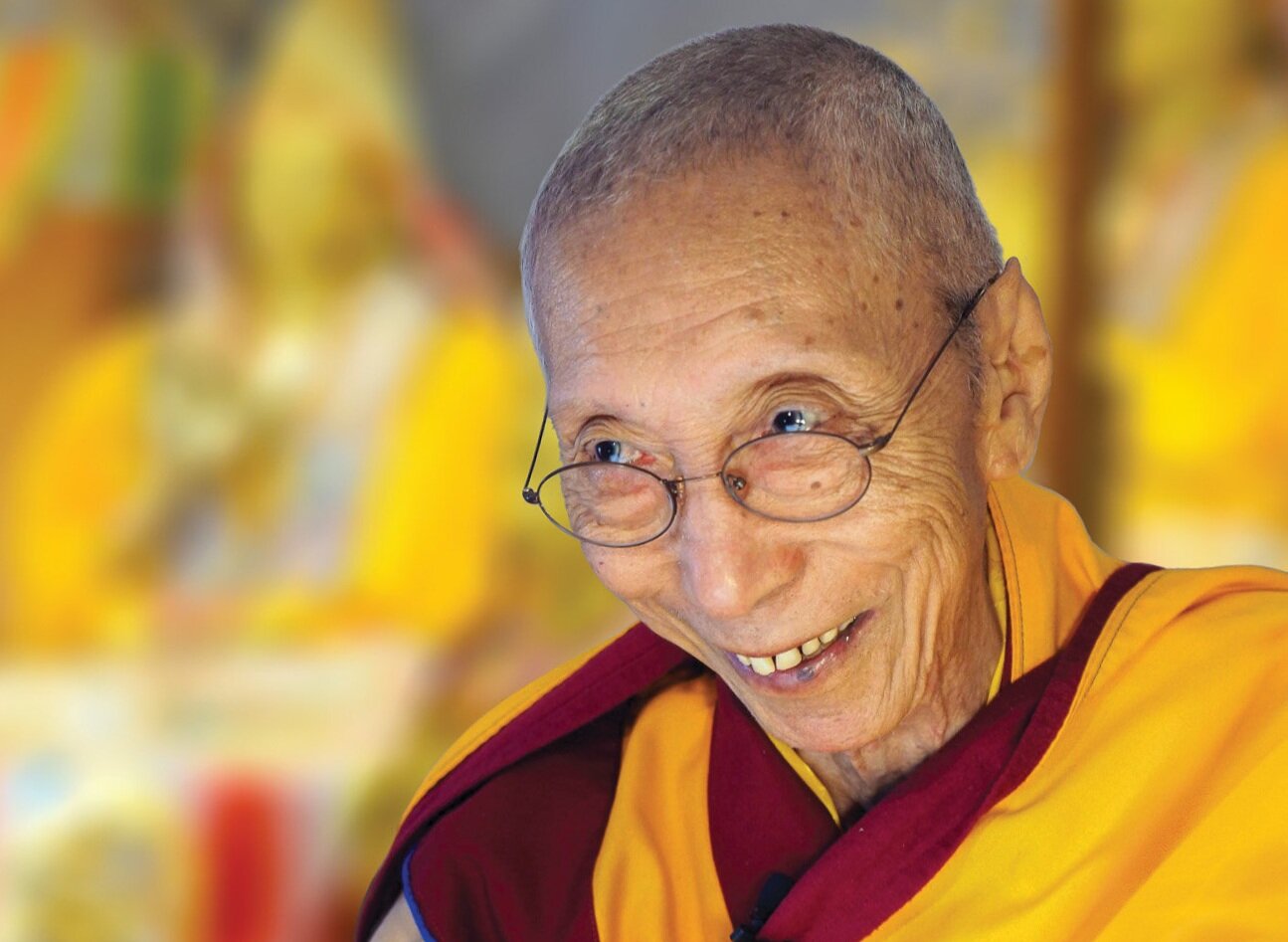
Kadampa Buddhism is a special presentation of modern Buddhism that comes from the ancient Kadampa lineage and has been carefully adapted for the people of the modern world by Venerable Geshe Kelsang Gyatso Rinpoche.
Modern Kadampa Buddhists take the instructions from Kadam Dharma and apply it to the challenges we face in daily life to solve our inner problems of stress, anxiety, and especially anger, attachment, and self-grasping ignorance.
“Ka” refers to Buddha’s teachings and
“dam” refers to Atisha’s instructions on Lamrim
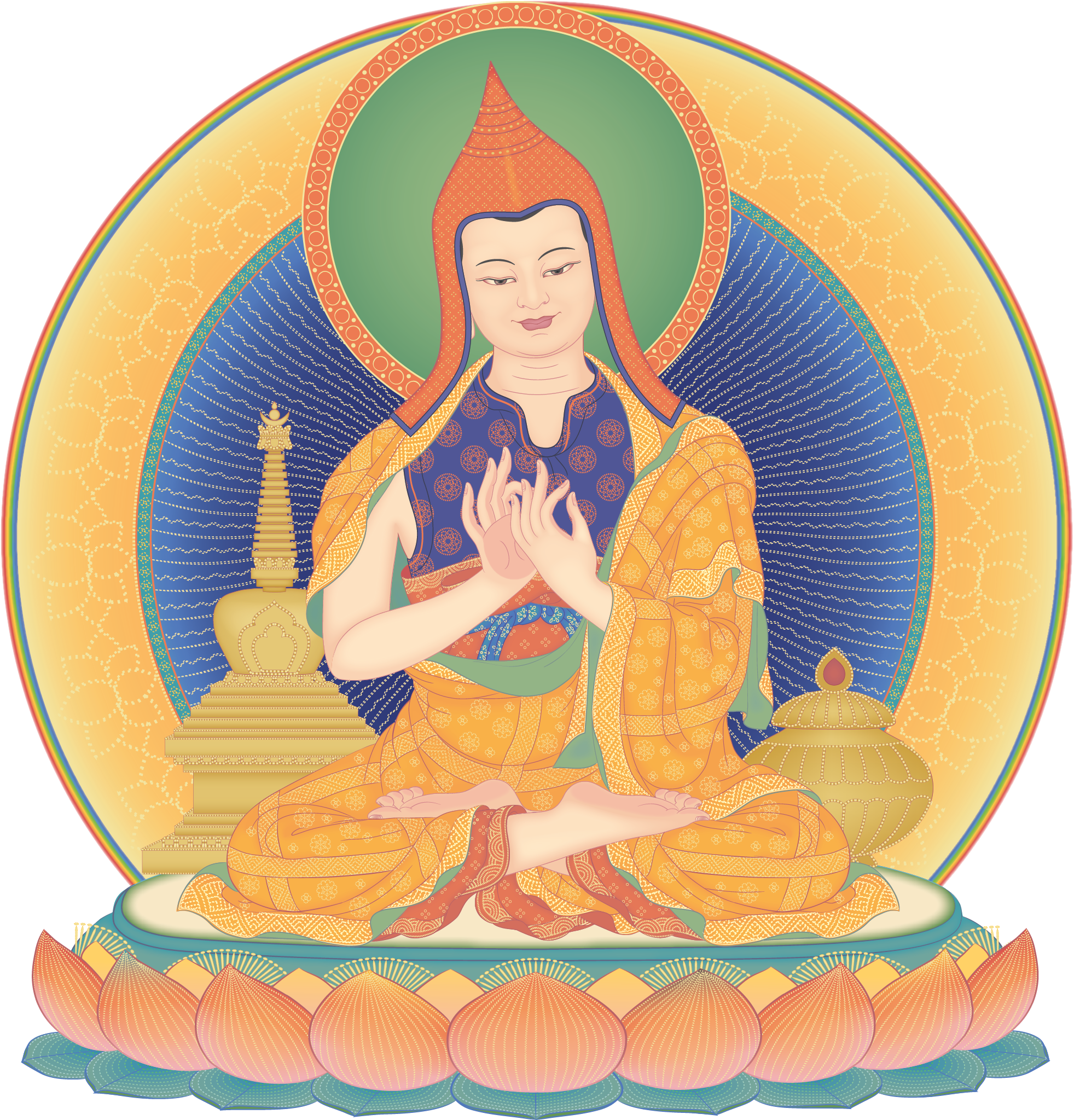
Atisha’s instructions are called the Stages of the Path to Enlightenment, and known as Kadam Lamrim.
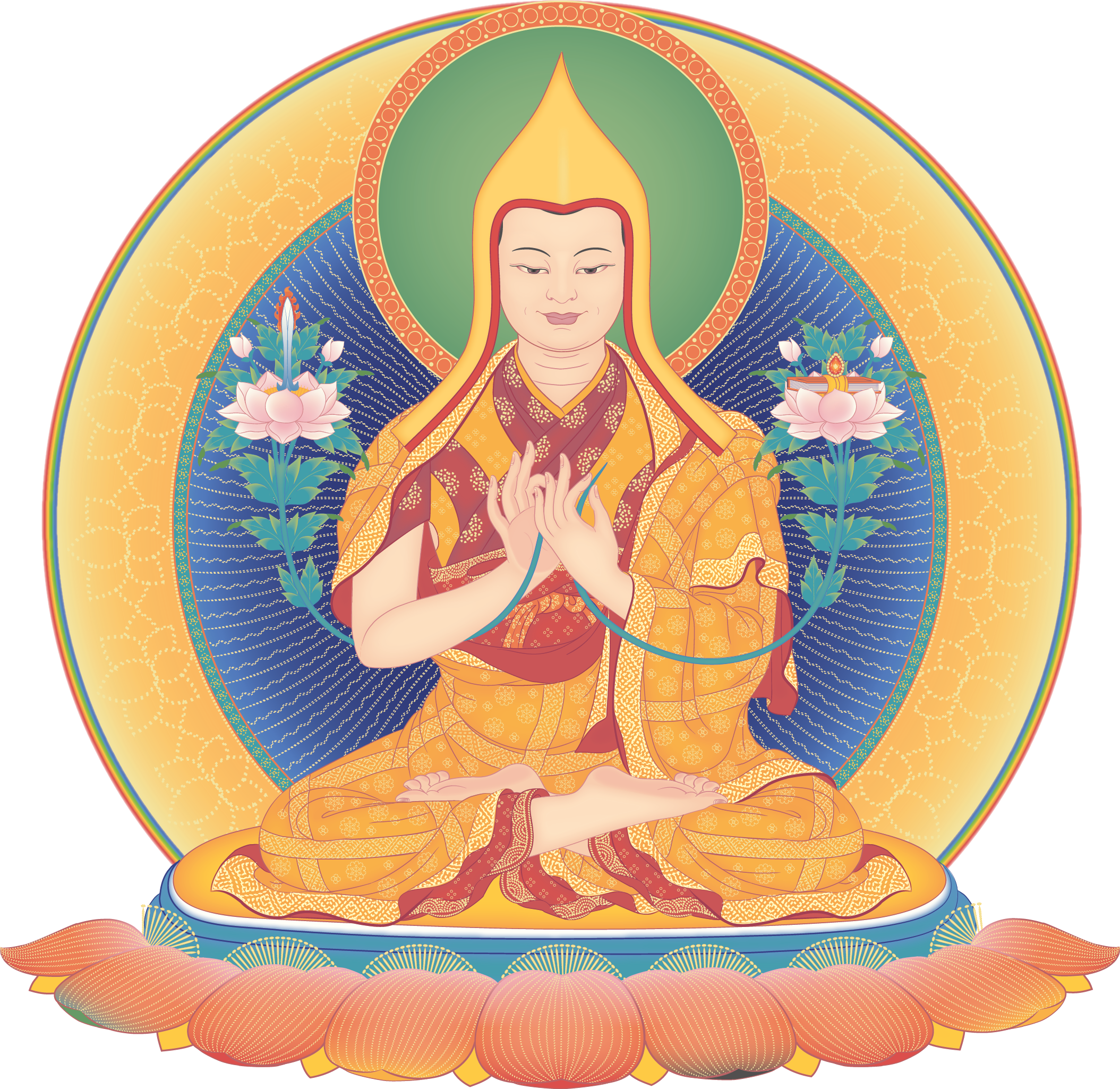
“Kadam” therefore refers to the union of Buddha’s teachings and Atisha’s instructions, and sincere practitioners of Kadam Lamrim are called “Kadampas.” Todays Kadampas follow the modern presentation of Je Tsongkhapa’s teachings that Geshe Kelsang prepared for the people of the modern world.
Je Tsongkhapa, the Kadampa union of Sutra and Tantra
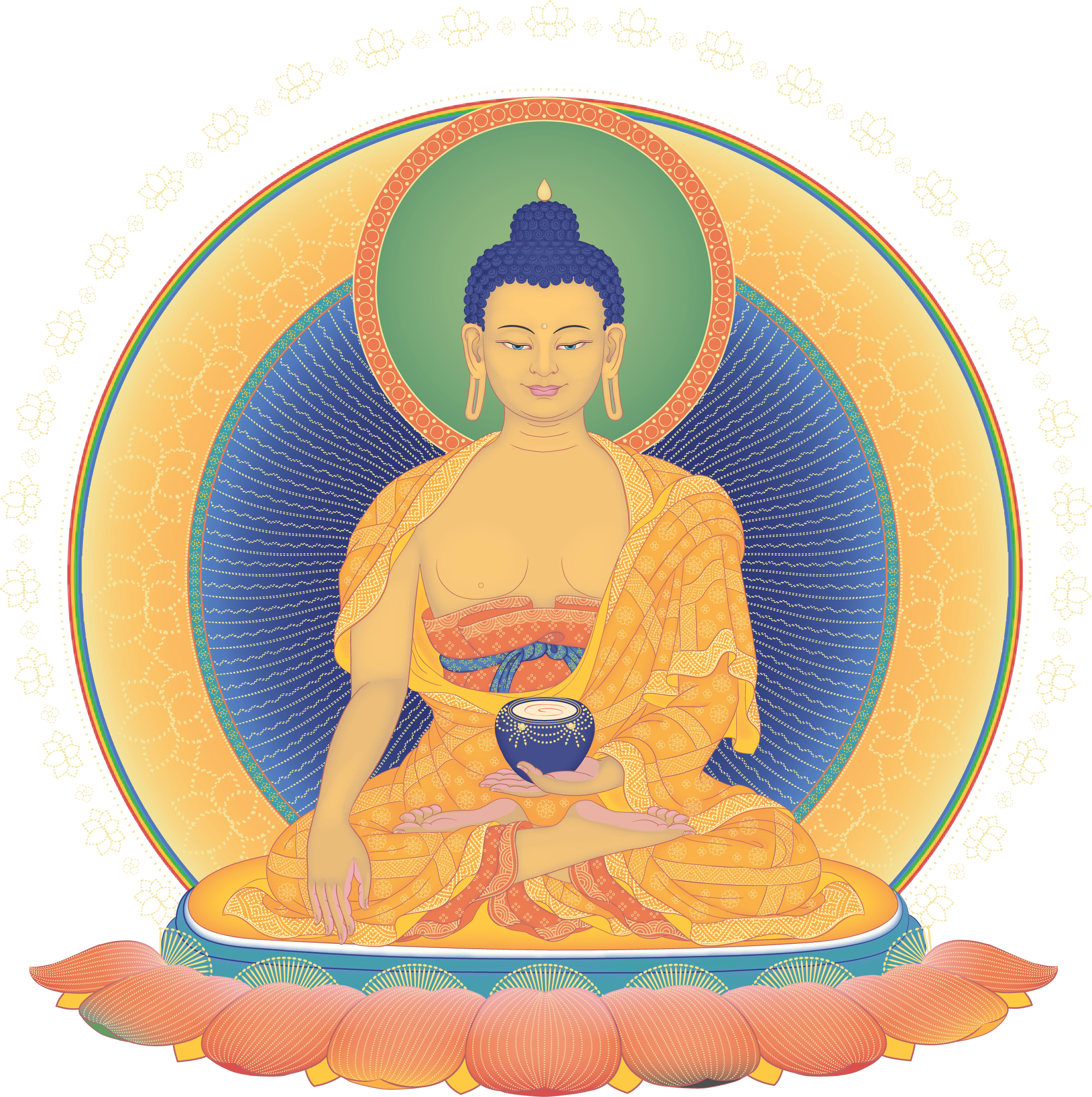
Kadampas sincerely rely on Buddha Shakyamuni because Buddha is the source of Kadam Lamrim; they sincerely rely on Avalokiteshvara, the Buddha of Compassion, and on the Wisdom Dharma Protector, indicating that their main practice is compassion and wisdom; and they sincerely rely on Arya Tara because she promised Atisha that she would take special care of Kadampa practitioners in the future. For this reason, these four enlightened holy beings are called the “Four Kadampa Guru Deities.”
Kadampas, practitioners following Atisha’s presentation
The Kadam Lamrim instructions, the union of Buddha’s teachings and Atisha’s special instructions, are presented in three stages: the instructions on the stages of the path of a person of initial scope; the instructions on the stages of the path of a person of intermediate scope; and the instructions on the stages of the path of a person of great scope. Je Tsongkhapa showed how these three scopes of Sutra practices are integrated into Tantric practice
The union of Kadam Dharma and daily life
Everyone, even non-Buddhists, can receive benefit from Kadam Dharma. This is because there is no difference between Kadam Dharma and people’s everyday experiences. Even without studying or listening to Dharma, some people often come to similar conclusions as those explained in Kadam Dharma teachings through looking at newspapers or television and understanding the world situation. This is because Kadam Dharma accords with people’s daily experience; it cannot be separated from daily life. Everyone needs it to make their lives happy and meaningful, to temporarily solve their human problems, and to enable them ultimately to find pure and everlasting happiness through controlling their anger, attachment, jealousy, and especially ignorance.
Meditation - Our Daily Practice
Kadampa practitioners emphasize training in meditation. What is meditation? Meditation is an action of mind whose nature is single-pointed concentration and whose function is to make the mind peaceful and calm. We want to be happy all the time, even during our dreams. How can we do this? We can do this through training in meditation because meditation makes our mind become peaceful, and when our mind is peaceful we are happy all the time, even if our external conditions are poor. On the other hand, when our mind is not peaceful we are not happy, even if our external conditions are excellent. We can understand this through our own experience. Since the actual method to make our mind peaceful is training in meditation, we should apply effort to training in meditation. Whenever we meditate, we are performing an action or karma that causes us to experience peace of mind in the future. From this we can understand how meditation practice is important.
How to Meditate
How do we practice breathing meditation? First you should relax both physically and mentally, and stop thinking about anything. Then you should gently and naturally inhale and exhale through the nostrils, not through the mouth, and single-pointedly concentrate on the sensation of the breath as it enters and leaves the nostrils. You should remain concentrated on this sensation for as long as possible. If after doing this your mind is still not peaceful, you should repeat this breathing meditation again and again until your mind becomes completely peaceful. Then you should apply effort to remaining continually peaceful day and night. In this way you can make yourself, as well as your friends and family, happy all the time.
Shakyamuni, Founder of Buddhism
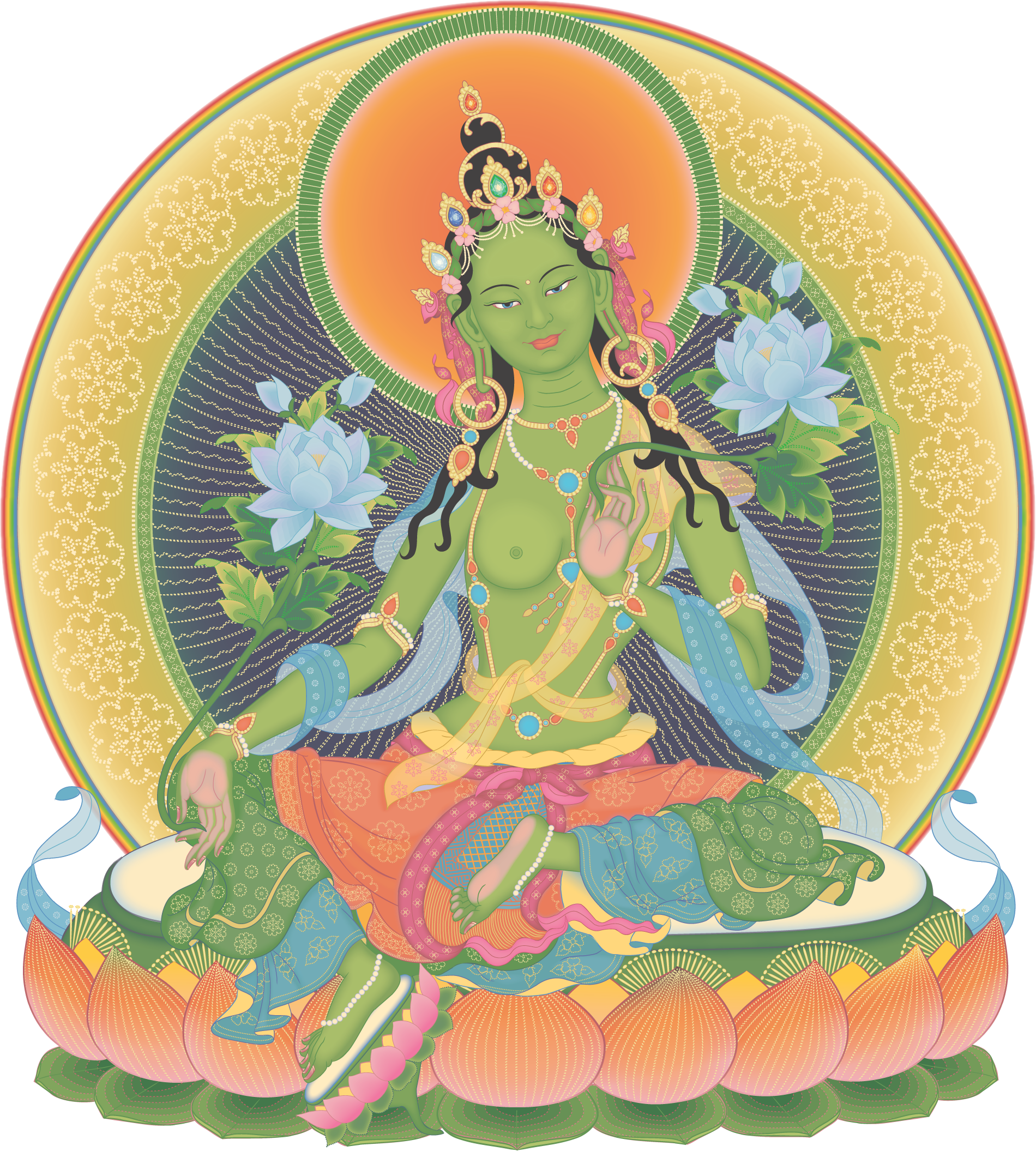
Green Tara, the Liberator from Sorrow
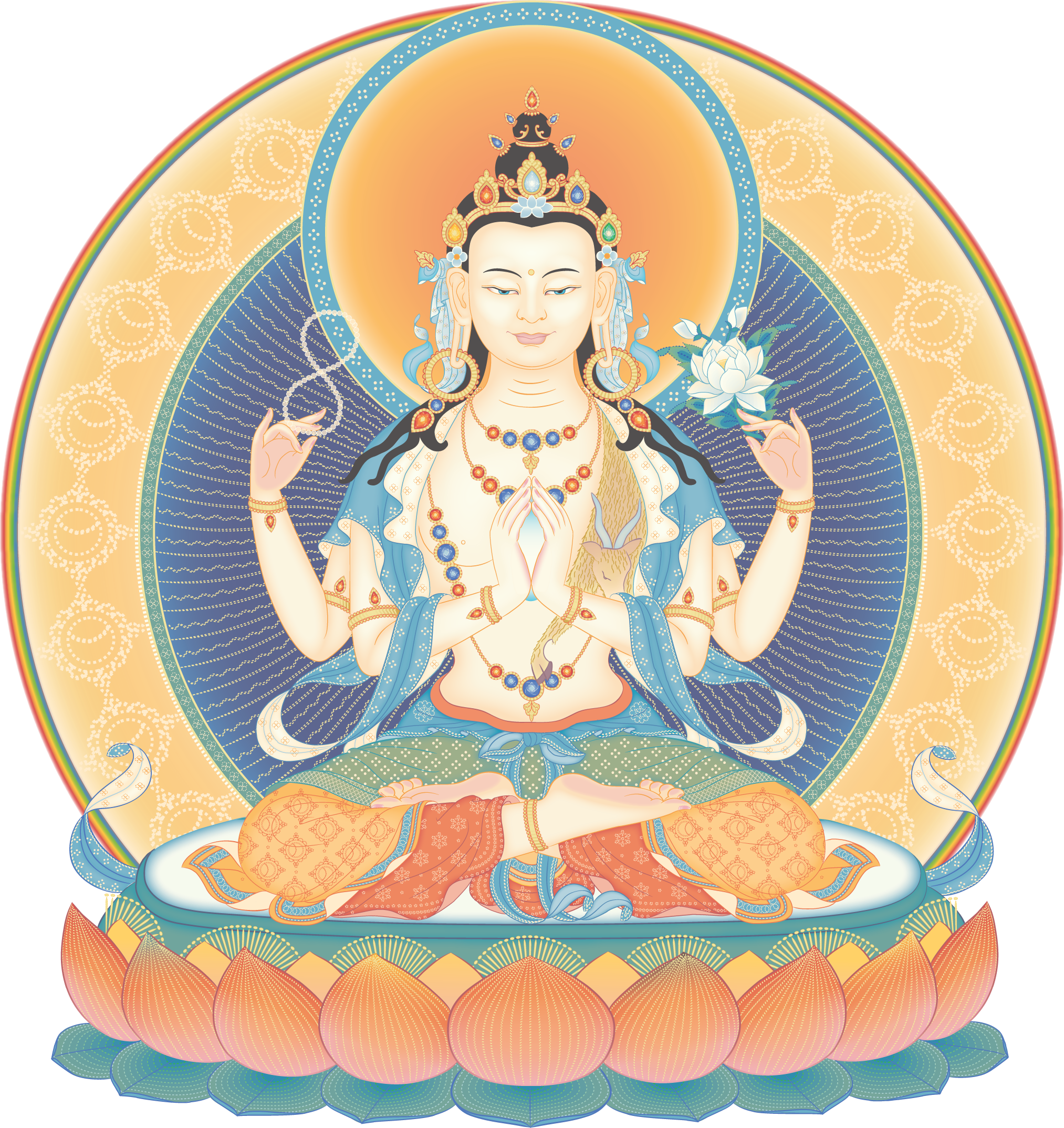
Buddha of Compassion, Avalokiteshvara
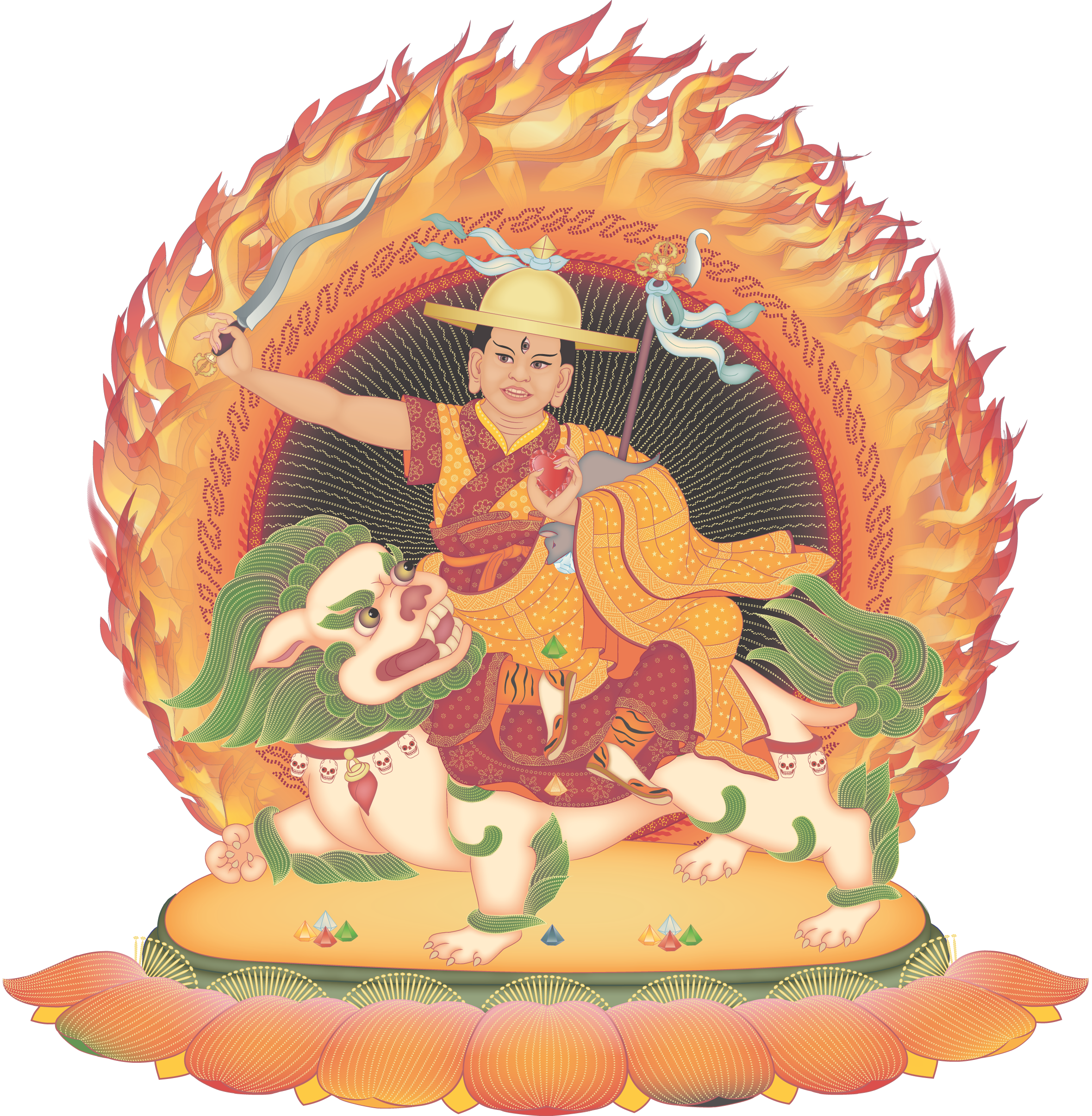
Wisdom Dharma Protector,
Dorje Shugden